Some who consume alcohol get a headache because they have a sensitivity to the added chemicals or preservatives. Every person may have a different level of sensitivity to alcohol’s withdrawal effects. To wrap things up, let’s dive into some of the most common questions we get about hangovers. We’ll clear up the confusion with some straight-up, science-backed answers to help you understand what’s really going on with your body after a night out.
How to cure a hangover
A big glass of water might be the easiest hangover solution. Alcohol dehydrates you by boosting the amount of urine your kidneys make. You also lose fluid when you sweat, vomit, or have diarrhea after https://ecosoberhouse.com/ a night of bingeing. And alcohol is a diuretic, which means it makes you pee a lot and lose a lot of liquid. Dehydration causes symptoms like a dry mouth and headache.
The Role of Dehydration and Sleep Disruption
Believe it or not, how many drinks you have doesn’t appear have a significant impact on how long a hangover lasts, according to a 2017 study. However, the progression and severity of symptoms over time can vary from one person to the next. For some people, as little as one drink can trigger a hangover. During a hangover, a person’s attention, decision-making, and muscle coordination can all be impaired. Also, the ability to perform important tasks, such as driving, operating machinery, or caring for others can be negatively affected.
How many steps a day do we really need to take? Here are the facts
You’ll still get a bad hangover, if you are prone to them, once your body is able to get rid of the alcohol from your system. Congeners how long does it take to get over a hangover are chemical by-products of the fermentation process that gives alcoholic drinks their distinctive flavor. Hangover symptoms peak when the blood alcohol concentration in the body returns to about zero. Alcohol is the main culprit in a hangover, but other components of alcoholic beverages might contribute to hangover symptoms or make a hangover worse. By harming the blood vessels and your gut, alcohol causes the body to turn on itself. Initially, this makes you feel relaxed but as you consume more alcohol, it can switch off important parts of the brain, such as those affecting judgment and consciousness.
- When we drink, the liver immediately starts using enzymes to break it down in a two-step process.
- If you’re taking any medications, talk to a health professional before consuming kava alongside any other treatments.
- What’s worse, Mercer predicts health care costs will increase 6.7% in 2026, while expenses for prescription drugs jump 9.4% in 2025.
- First up – there are no scientifically proven remedies for your hangover, but there are some things you can do to ease your discomfort.
- Receive encouragement from people worldwide who know exactly what you’re going through!
The best thing you can do to minimize or resolve a hangover? Down a glass before going to sleep and do the same as soon as you get up, recommends Dr. Waters. But do any of these touted hangover remedies actually work?
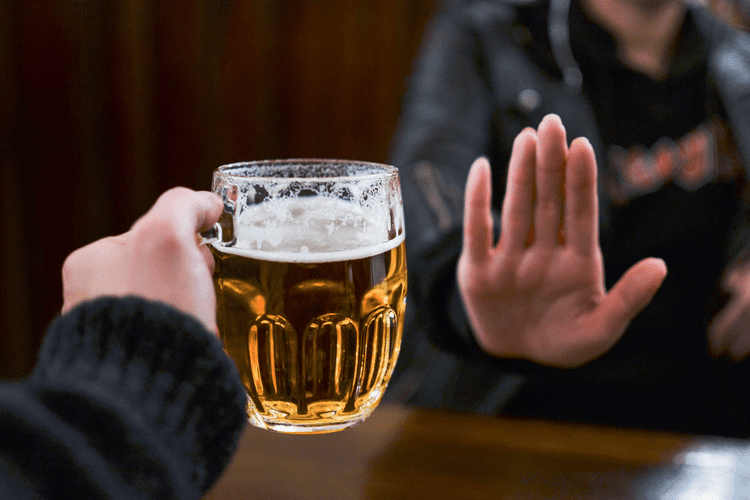
Research shows that hangovers generally last for about 14 to 23 hours, with some extending up to about the 72-hour mark. But on average, a hangover should end about 12 hours after stopping drinking. These are a few specific ways in which alcohol can impact different parts of your body. If you’re hungover, you might also take OTC pain relievers like aspirin and ibuprofen.
Understanding Alcohol Metabolism and Elimination
- By combining these remedies with rest, relaxation, and a healthy diet, individuals can develop a potent strategy for managing hangover symptoms and minimizing their impact on daily life.
- When you drink, your body sees alcohol as a toxin and kicks off an inflammatory response to fight it off.
- When other chronic health conditions are present, you might also experience a flareup of those symptoms.
- But what is happening in our bodies is more serious than that — it’s alcohol withdrawal.
Not marijuana addiction everything has to be perfect, and no one’s world is going to end because you didn’t personally get them exactly what they wanted. Sometimes the holiday hangover hits hardest after the season is over. The return to regular responsibilities and routines may contribute to a person feeling letdown or lost.
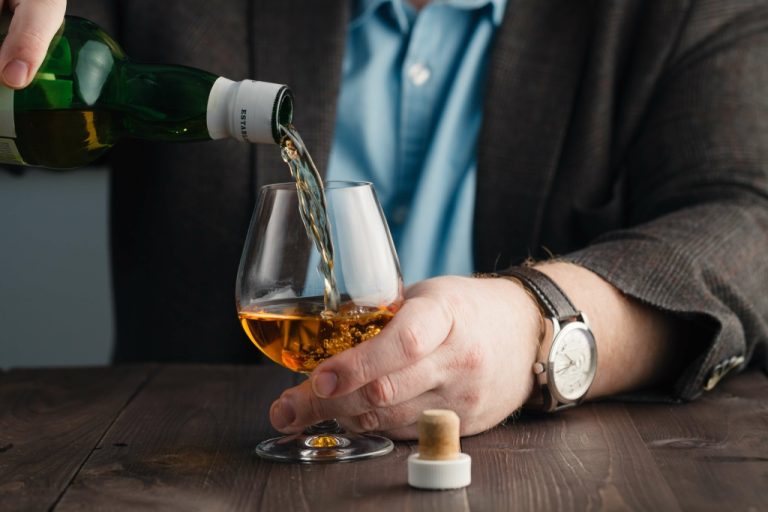
Exercise helps regulate mood, reduces stress hormone levels, and promotes feelings of calm. Indeed, stress impacts many systems of the body, including neurotransmitters, energy systems, and brain circuits. Over time, research has shown, stress can even affect memory, cognition, and learning, due to its effects on brain regions such as the hippocampus, amygdala, and temporal lobes.
I’m Emily Harper, the soul behind PinchOfComfort.com, a place where simple ingredients come together to create the kind of food that feels like a warm hug. I’m Emily Harper, the soul behind PinchOfComfort.com — a place where simple ingredients come together to create the kind of food that feels like a warm hug. Replace the heavy cream with a dairy-free alternative such as coconut cream, cashew cream, or soy creamer. To make it lighter, you can reduce the cream to ½ cup and replace the remaining liquid with extra broth.
Leave a Reply